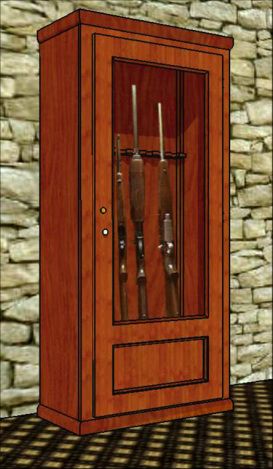
The responsible ownership of firearms demands secure storage. A well-constructed gun cabinet not only protects valuable weapons but also prevents unauthorized access, safeguarding individuals, families, and communities. This comprehensive guide will walk you through the process of crafting a custom wooden gun cabinet, incorporating advanced security features for maximum peace of mind.
I. Planning and Design
A. Determine Dimensions and Features:
Size: Consider the number and size of firearms you plan to store. Allow adequate space for proper organization and ventilation.
Configuration: Decide on the number of shelves, drawers, and compartments. Include a designated area for ammunition storage.
Style: Choose a design that complements your home decor and reflects your personal preferences.
B. Security Considerations:
Lock Type: Opt for high-quality, tamper-resistant locks with multiple locking points. Consider electronic locks with fingerprint or keypad access for enhanced security.
Door Construction: Use solid wood or metal-reinforced doors with concealed hinges and heavy-duty door frames for added strength.
Cabinet Material: Select durable hardwoods like oak, maple, or walnut for resistance against impact and intrusion attempts.
C. Tools and Materials:
Tools:
Table saw
Miter saw
Router
Drill
Sander
Clamps
Measuring tape
Level
Materials:
Selected hardwood lumber
Plywood for shelves and drawer boxes
Wood glue
Screws
Finish nails
Wood stain or paint
Wood finish (oil, varnish, or polyurethane)
Hinges
Locks (including locking plates and strike plates)
Drawer slides
Cabinet hardware (knobs, pulls)
II. Construction
A. Building the Cabinet Frame:
1. Cut the sides, top, bottom, and back panels to size.
2. Use pocket hole joinery or mortise and tenon joints for strong corner connections.
3. Secure the frame pieces together with wood glue and screws.
4. Reinforce the frame with cross supports for added stability.
B. Constructing Shelves and Drawers:
1. Cut shelf panels to size using plywood or solid wood.
2. Use dovetail or dado joints for sturdy drawer box construction.
3. Install drawer slides on the cabinet sides and drawer boxes.
4. Install shelves with adjustable brackets or dadoes.
C. Adding Doors and Locks:
1. Cut door panels to size and reinforce them with additional wood.
2. Install hinges on the cabinet frame and door panels.
3. Choose and install locking plates and strike plates, ensuring a secure fit.
4. Mount the lock securely to the door.
III. Enhancing Security Features
A. Reinforcements:
Metal Plates: Add steel plates to the interior of the door and frame for additional resistance against forced entry.
Door Reinforcement: Install a heavy-duty steel bar across the inside of the door to prevent prying or brute force attacks.
Anti-Pry Devices: Utilize anti-pry plates or pins on the door frame to deter attempts to force the door open.
B. Advanced Locking Systems:
Electronic Locks: Integrate electronic locks with fingerprint recognition or keypad access for secure entry and enhanced control.
Multi-Point Locking: Use multi-point locking systems with multiple locking points along the door frame for improved security against forced entry.
Deadbolt: Install a heavy-duty deadbolt with multiple bolts for extra strength and security.
C. Intrusion Detection:
Motion Sensors: Install motion sensors in the vicinity of the cabinet to trigger alarms or alerts in case of intrusion attempts.
Alarms: Consider incorporating a security system with motion sensors, door contacts, and a loud alarm for deterring intruders.
IV. Finishing and Installation
A. Finishing Touches:
1. Sand the entire cabinet thoroughly for a smooth finish.
2. Apply wood stain or paint to achieve the desired look.
3. Finish with a protective coat of oil, varnish, or polyurethane for durability.
4. Install cabinet hardware (knobs, pulls) and any decorative elements.
B. Installation:
1. Choose a secure location away from windows and easily accessible areas.
2. Secure the cabinet to the wall using heavy-duty anchors and bolts.
3. Test all locks and security features to ensure proper functionality.
V. Maintenance and Care
Regularly inspect and clean the cabinet.
Lubricate locks and hinges to prevent rust and ensure smooth operation.
Check the security features periodically and address any issues immediately.
Store firearms responsibly, complying with all local regulations.
VI. Considerations and Precautions:
Building Codes: Ensure your project complies with local building codes and safety regulations.
Security Assessment: Consider consulting with a security professional for a thorough assessment of your needs and recommendations for optimal security features.
Insurance: Consult with your insurance provider about coverage for your firearms and the security measures you've implemented.
Conclusion:
Building a secure wooden gun cabinet is a significant step towards responsible firearm ownership and home security. By carefully considering design, construction, and security features, you can create a robust and reliable storage solution that safeguards your valuables and peace of mind. Remember to prioritize quality materials, secure locking systems, and proper installation for maximum protection and safety.

0 comments:
Post a Comment
Note: Only a member of this blog may post a comment.