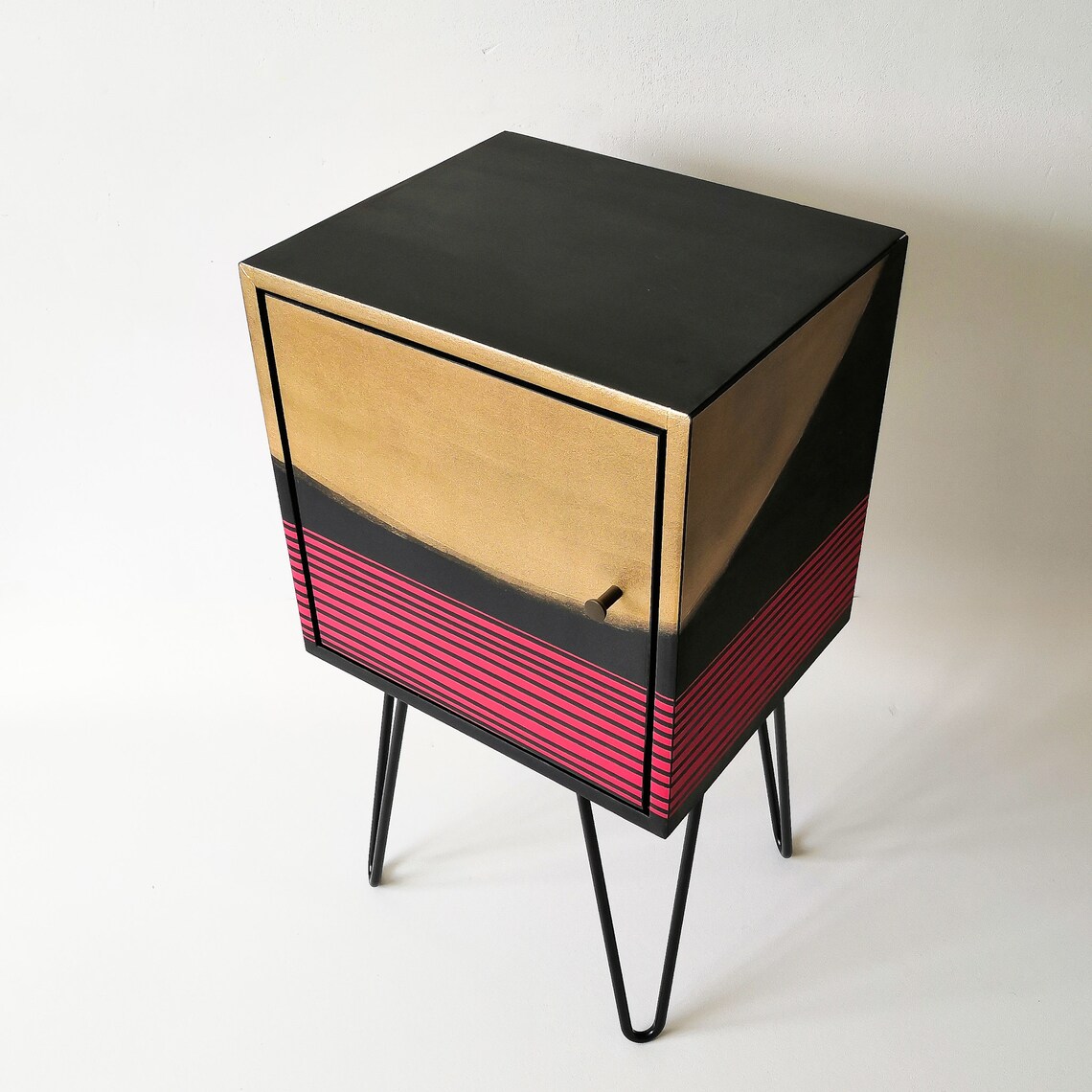
Building a Vintage-Inspired Bedside Cabinet
A bedside cabinet is a staple in any bedroom, providing a convenient spot to store books, a lamp, and other essentials. A vintage-inspired bedside cabinet can add a touch of charm and character to your space, making it feel more inviting and personalized. Building your own vintage-inspired bedside cabinet allows you to customize its size, style, and finish to perfectly complement your bedroom decor. This project is accessible for DIYers of all skill levels, requiring basic woodworking tools and knowledge. With a bit of time and effort, you can create a unique and functional piece that you'll cherish for years to come.
Planning Your Project
Before diving into the construction, it's essential to plan your project carefully. This includes determining the size, style, and materials you want to use.
Determining the Size
Consider the space available in your bedroom and the size of your bed. Measure the area where you want to place the cabinet to ensure it fits comfortably. A typical bedside cabinet is around 24 inches wide, 18 inches deep, and 28 inches tall. You can adjust these dimensions based on your preferences and the available space.
Choosing a Style
Vintage-inspired bedside cabinets come in various styles, from mid-century modern to rustic farmhouse. Browse online for inspiration and consider the overall style of your bedroom. Some popular vintage styles include:
- Mid-Century Modern: Clean lines, tapered legs, and a simple design.
- Rustic Farmhouse: Distressed wood, hardware, and a farmhouse-inspired look.
- Shabby Chic: Soft pastel colors, distressed finishes, and intricate details.
- Industrial Chic: Metal accents, exposed hardware, and a vintage-inspired feel.
Selecting Materials
The type of wood you choose will significantly impact the look and feel of your bedside cabinet. Some popular wood choices for vintage-inspired projects include:
- Pine: Affordable, softwood that's easy to work with.
- Oak: Durable hardwood with a classic look.
- Maple: Hard, strong wood with a smooth, fine grain.
- Cherry: Rich reddish-brown wood with a beautiful grain pattern.
- Reclaimed Wood: Adds character and sustainability to your project.
You can also use plywood for the cabinet sides and back panel, as it's more affordable and readily available.
Gathering Tools and Materials
Once you've determined the size, style, and materials for your bedside cabinet, you'll need to gather the necessary tools and materials.
Tools
- Table saw or circular saw
- Miter saw
- Drill/driver
- Sandpaper (various grits)
- Clamps
- Measuring tape
- Pencil
- Level
- Safety glasses
- Dust mask
- Ear protection
Materials
- Wood for the cabinet sides, top, bottom, and shelves (depending on design)
- Plywood for the back panel (optional)
- Hardware for drawer slides, hinges, and handles
- Wood glue
- Screws
- Stain or paint (optional)
- Polyurethane finish (optional)
Building the Cabinet
With your tools and materials ready, you can start constructing your vintage-inspired bedside cabinet. Here are the general steps involved:
Cutting the Wood
Begin by cutting the wood to the desired dimensions using your table saw or circular saw. Make sure to cut the pieces accurately and precisely for a clean and well-fitted cabinet.
Assembling the Cabinet Sides
Assemble the cabinet sides using wood glue and screws. Clamp the pieces together securely to ensure a tight fit.
Attaching the Top and Bottom
Once the sides are assembled, attach the top and bottom pieces using wood glue and screws. Align them carefully to ensure they are level and flush.
Adding Shelves (Optional)
If you want to include shelves in your bedside cabinet, cut the shelf pieces to size and install them using brackets or shelf supports.
Attaching the Back Panel
For added strength and stability, attach a plywood back panel to the cabinet using wood glue and brads.
Building Drawers (Optional)
If you plan to include drawers, construct them using the same techniques as for the main cabinet. Install drawer slides and handles.
Finishing Touches
Once the cabinet is assembled, you can add finishing touches to give it a vintage-inspired look.
Sanding
Sand the entire cabinet thoroughly using sandpaper of various grits. Start with a coarse grit to remove any rough edges and then gradually progress to finer grits for a smooth finish.
Staining or Painting
Apply a stain or paint to the cabinet to achieve the desired color and finish. Choose a color that complements the style of your bedroom.
Applying Polyurethane Finish (Optional)
To protect the cabinet and enhance its durability, apply a polyurethane finish. This will create a smooth, protective layer and make the cabinet easier to clean.
Adding Hardware
Install the hinges, handles, and other hardware to complete your bedside cabinet. Choose hardware that complements the vintage style of the cabinet.
Tips for a Vintage Look
To enhance the vintage look of your bedside cabinet, consider these tips:
- Use distressed wood or create a distressed finish by sanding and applying a dark stain.
- Choose hardware with antique or vintage-inspired details.
- Add a touch of patina by using a metal polish or a black patina solution on hardware.
- Incorporate elements like ornate trim or decorative molding to enhance the vintage aesthetic.
Building a vintage-inspired bedside cabinet is a rewarding project that allows you to create a unique and functional piece for your bedroom. By following these steps and incorporating your personal style, you can design a cabinet that complements your decor and adds a touch of vintage charm to your space.

0 comments:
Post a Comment
Note: Only a member of this blog may post a comment.